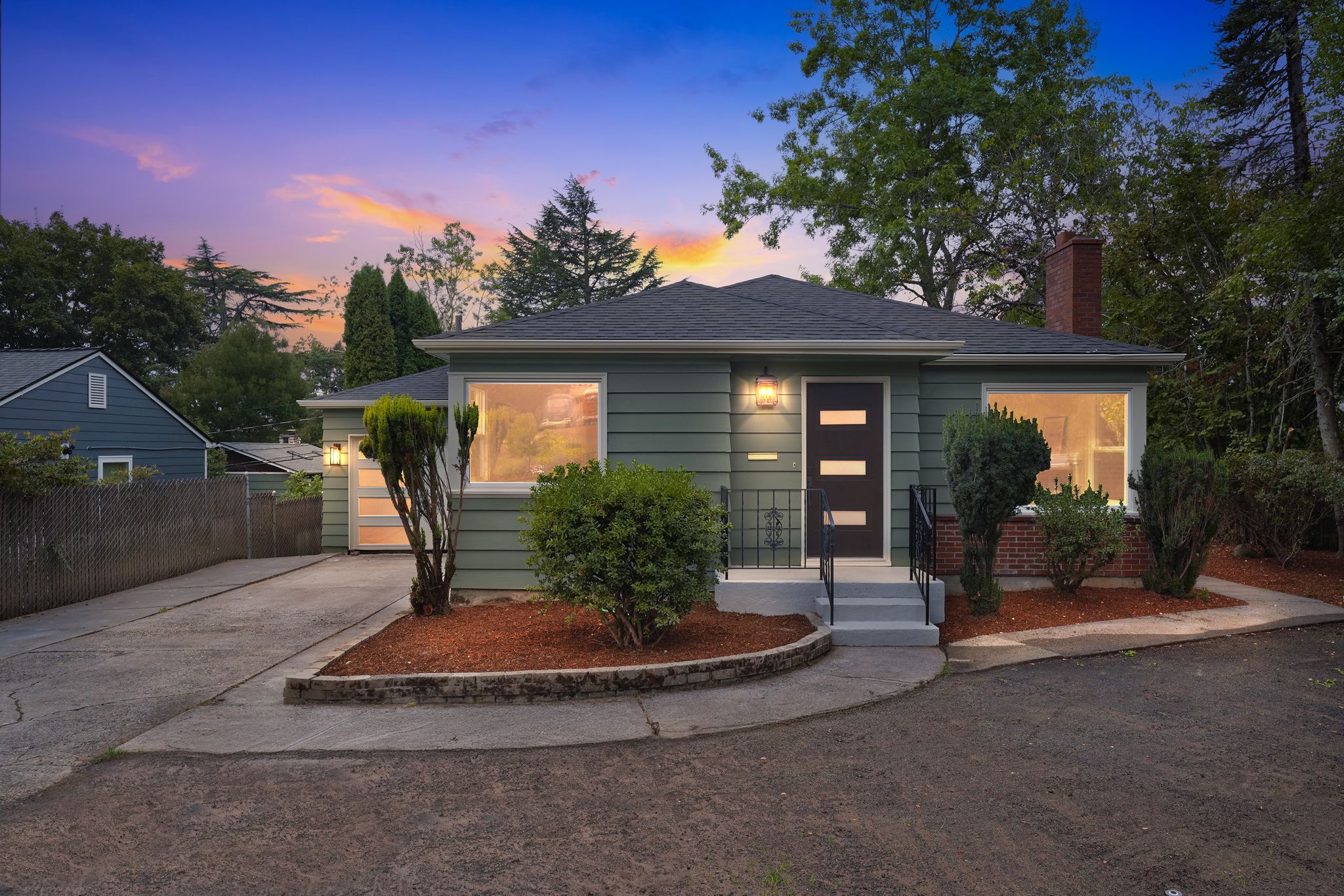
Renovate Then Sell: How a SW Portland Daylight Ranch Became a High‑Demand Modern Home
If you’ve ever walked into a Portland “good bones” house and thought, “This place could be incredible… someday,” this story is for you. In this post, I’m breaking down how a dated mid‑century daylight ranch in SW Portland’s Hayhurst neighborhood went from tired fixer to fully remodeled, move‑in‑ready home—and what that process can look like for your property too.
Why Hayhurst fixer‑uppers have so much potential
Hayhurst is one of those close‑in SW Portland neighborhoods people quietly try to keep to themselves. You get big trees, winding streets, and mid‑century homes on generous lots, plus quick access to Gabriel Park, Multnomah Village, and downtown. Many of the homes here were built in the 1950s and 1960s, which means great layouts and character—but also original systems, small kitchens, and chopped‑up spaces that don’t match how people live today.
That gap between how these homes were built and how buyers want to live is exactly where renovation value lives. When you update the floor plan, systems, and finishes thoughtfully, you’re not just “fixing it up,” you’re rewriting the story of the house for the next few decades.
The renovation: what we actually changed
This daylight ranch started like many classic Portland fixers: solid structure, mid‑century charm, and a great lot—but dated everything. The renovation focused on three big goals buyers consistently ask for: light, flow, and low‑maintenance systems.
Key updates included:
-
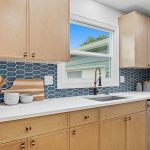
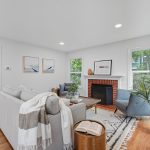
Kitchen and living spaces: Opening sightlines, adding an updated kitchen with quartz counters and an eat bar, and increasing natural light with new windows so the main level finally feels like the heart of the home, not an afterthought.
-
True primary suite: Creating a main‑floor primary with a larger 4′ x 6′ shower and laundry on the same level—huge for aging‑in‑place and busy households.
-
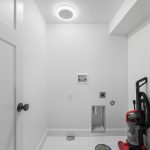
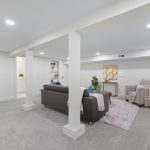
Daylight basement that lives like main level: Finishing the lower level with additional bedrooms, a large family room, and a second laundry so the space works for guests, teens, office, or multigenerational living instead of just storage.
-
Systems and structure: Replacing or updating roof, furnace, electrical, plumbing, windows, and baths so the next owner isn’t inheriting a project list a mile long.
The end result: a home that still feels like a classic SW Portland daylight ranch, but lives like something built for today.
How renovation changed the home’s value
When you renovate strategically, value shows up in more places than just the sale price. You see it in:
-
Increased buyer pool: more people are able and willing to buy when the big‑ticket projects are already done.
-
Stronger online performance: “updated,” “remodeled,” “daylight ranch,” and “move‑in ready” are exactly the phrases buyers type into Zillow, Redfin, and AI search tools.
-
Better appraisals: modern systems, added finished square footage, and a true primary suite all support higher valuations in neighborhoods like Hayhurst.
In Portland, fix‑and‑flip case studies routinely show that tight, well‑planned renovations outperform quick cosmetic jobs, especially in established neighborhoods with limited inventory. The key is aligning your budget with what the neighborhood can actually support and what buyers there are specifically searching for.
Should you renovate before you sell?
Not every property needs (or deserves) a full studs‑out renovation. Sometimes light cosmetic work and good staging are enough; sometimes it makes more sense to sell as‑is and let an investor take on the heavy lift. The right answer depends on your home’s current condition, your timeline, your budget, and what similar renovated homes are actually selling for in your micro‑neighborhood.
Questions to ask yourself:
-
Are the big systems (roof, siding, furnace, plumbing, electrical) near the end of their life?
-
Is your layout hurting the way the home feels—tiny kitchen, awkward primary, wasted basement?
-
What are renovated homes in your area selling for right now, and how do they look compared to yours?
If you’re not sure how to run those numbers, you shouldn’t be guessing—especially not with a six‑figure asset on the line.
Want a renovation game plan for your house?
If you own a fixer, inherited home, or dated rental in SW Portland and you’re wondering whether to sell as‑is or renovate first, this is exactly the kind of problem I love solving. Using recent comps from neighborhoods like Hayhurst, Multnomah Village, Maplewood, and Bridlemile, we can reverse‑engineer a realistic “after repair value,” then work backward to decide what’s actually worth doing.
Here’s what I can put together for you:
-
A quick value range for your home “as‑is” vs. “lightly updated” vs. “fully renovated.”
-
A priority list of repairs and upgrades that buyers in your area care about most.
-
A rough budget and timeline so you can decide whether a fix‑and‑flip, renovate‑to‑sell, or simple clean‑up and list is the best move.
If you’d like that kind of plan for your property, reach out with your address and a quick note about your home’s condition. I’ll respond with honest, numbers‑driven options so you can choose the path that fits your goals, not just what the internet says you “should” do.